Typical Truck Issues and When to Seek Professional Repair Services
Truck owners frequently face an array of challenges that can affect safety and performance. Engine problems, braking system issues, and transmission issues are the most typical. Recognizing these concerns early is critical. Unusual noises or warning lights can indicate deeper concerns. Comprehending when to request professional help can save both money and time. But what signs should one monitor, and how can scheduled maintenance make a difference?
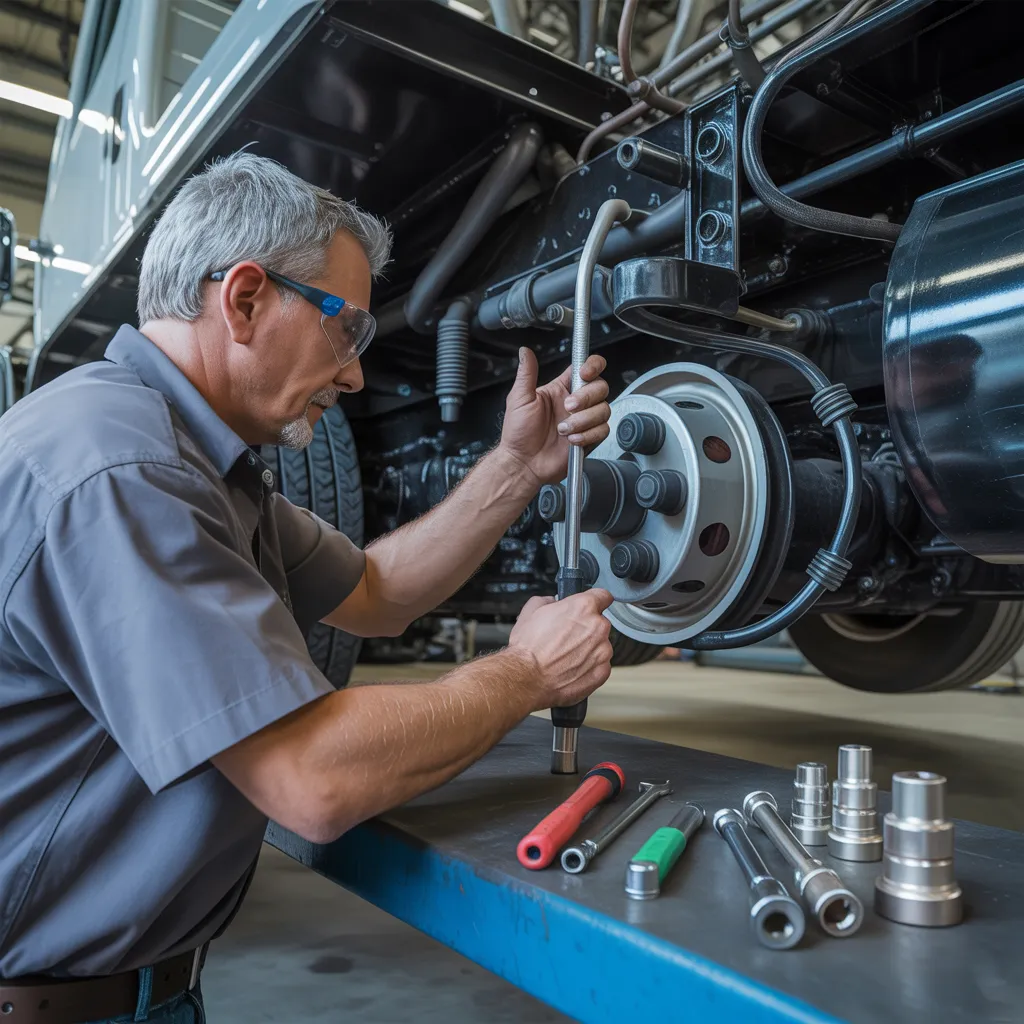
Recognizing Engine Issues: Warning Signs You Should Seek Help
Numerous truck owners could experience engine issues at some point, and recognizing the warning signs early can stop costly repairs. Common signs of engine trouble include odd noises, such as knocking or grinding sounds, which can signify serious problems. Moreover, a sudden drop in power or acceleration, along with poor fuel efficiency, often signals underlying problems.
An additional critical warning sign is the illumination of warning lights on the dashboard, particularly the check engine light, which shouldn't be disregarded. Heavy exhaust smoke, whether black, blue, or white, can also suggest engine malfunctions requiring immediate attention.
Additionally, constant overheating or leaking fluids under the vehicle can indicate serious engine troubles. Routine maintenance and prompt attention to these symptoms can help truck owners mitigate dangers, increase engine life, and prevent significant repair costs. Tackling these symptoms early secures a more efficient and more reliable driving experience.
Brake Problems: Recognition and Solution Methods
For truck owners, brake issues are a typical concern, frequently appearing in different forms that may jeopardize safety. Frequent symptoms encompass screeching or abrasive noises, decreased brake response, and trembling while braking. These symptoms may indicate worn brake pads, distorted brake rotors, or low brake fluid levels.
To tackle these matters, truck owners should begin by inspect the brake system for apparent wear and leaks. Verifying the brake fluid reservoir and refilling it if required is also vital. If noises continue or performance does not get better, a professional inspection is advisable.
Consistent maintenance, such as brake pad replacement and rotor resurfacing, helps prevent major complications. In addition, executing periodic assessments of the full brake system maintains reliability. Ultimately, prioritizing brake health is critical for safe driving and can save truck owners from costly repairs in the long run.
Transmission Problems: Identifying and Resolving Them
Transmission issues can manifest in different ways, often presenting distinct signs that truck owners should recognize. Common causes of these issues range from fluid leaks to worn components, making it essential to understand the underlying problems. Understanding when to seek professional assistance can avoid further damage and guarantee the truck remains trustworthy on the road.
Signs Of Transmission Concerns
Spotting signs of transmission issues early can prevent truck owners significant time and money in repairs. Common indicators include uncommon noises, such as grinding or whining sounds, which may point to internal problems. In addition, delayed or rough shifting between gears can indicate transmission trouble. Truck owners should also look out for fluid leaks, particularly reddish or brownish fluid underneath the vehicle, as this can suggest a serious leak. Warning lights on the dashboard, especially the check engine or transmission light, should never be ignored. Last but not least, a burning smell, often linked to overheating, is a serious concern that demands immediate attention. Recognizing these symptoms promptly can help stop more major damage and costly repairs down the line.
Common Causes Of Problems
While various factors can contribute to transmission troubles, multiple usual culprits regularly surface in truck maintenance. One primary concern relates to fluid leaks, which can stem from worn seals or damaged components, leading to insufficient lubrication. Overheating is another prevalent cause, often resulting from towing heavy loads or a malfunctioning cooling system, which can damage internal parts. Furthermore, disregarding scheduled upkeep, such as fluid changes and filter replacements, can create sludge buildup and lowered effectiveness. Driver habits, including quick acceleration and hard braking, can also put pressure on the transmission, causing premature wear. Lastly, using improper transmission fluid can impede function and lead to severe damage, highlighting the importance of using manufacturer-approved fluids for maximum efficiency.
When You Should Seek Help
Identifying the indicators of transmission issues is essential for stopping further damage and guaranteeing the longevity of a truck. Drivers should be alert for symptoms such as slipping gears, unusual noises, or delayed shifting. Fluid leaks under the vehicle can suggest a serious problem, demanding immediate attention. Additionally, if the check engine light turns on, it is vital to consult a professional. Overlooking these warning signals can cause costly repairs or complete transmission failure. Getting help immediately can save time and money, permitting a proper diagnosis and solution. Regular maintenance and inspections can also help identify potential problems early, ensuring the truck remains dependable and safe for operation. Handling transmission problems swiftly is key to maintaining overall vehicle performance.
Common Power Concerns: Recognition and Solutions
Electric system issues in trucks can create serious performance troubles if not resolved promptly. Typical symptoms include flickering lights, difficulty starting, and malfunctioning accessories. These troubles often originate from a weak battery, faulty alternator, or corroded wiring connections. A weak battery can produce insufficient power to start the engine, while a failing alternator may not properly recharge the battery, leading to further electrical failures.
Recognizing these problems starts with visual inspections. Drivers should inspect for worn wires, loose connections, and traces of corrosion around battery terminals. Additionally, diagnostic tools can help identify electrical faults. If these complications endure, seeking professional repair is critical. Technicians can conduct comprehensive examinations and supply solutions, such as replacing batteries or repairing faulty circuits. Swift intervention can stop more extensive damage and ensure the truck operates smoothly, safeguarding both performance and safety on view resource the road.
Common Truck Suspension Issues: How to Recognize Them
Truck suspension difficulties can present themselves in several observable ways, influencing both functionality and safety. Typical signs include irregular tire wear, excessive bouncing or swaying during operation, and clamorous suspension components. Detecting these difficulties early can assist in minimize further damage and provide a better ride.
Irregular Tire Wear
Irregular tire wear acts as a vital indicator of underlying suspension concerns in vehicles. When a truck's suspension system is not operating as it should, it can result in varying degrees of pressure on different tires, resulting in uneven tread wear patterns. Frequent symptoms include excessive wear on the inner or outer edges of tires, which may indicate misalignment or worn components. Drivers should inspect their tires regularly and note any unusual wear patterns. Additionally, vibrations or pulling to one side while driving can further indicate potential suspension concerns. Handling these problems promptly not only improves vehicle safety but also extends tire life and improves overall performance. Professional evaluation and repair services are recommended when uneven tire wear is detected.
Significant Bounce Or Swaying
Suspension problems can appear in multiple ways, with significant bouncing or swaying being notably noticeable when driving. When a truck's suspension system is compromised, it could have difficulty to absorb shocks from the road, resulting in an uncomfortable and unstable ride. This can develop due to worn-out shock absorbers, damaged springs, or misaligned components. Drivers may observe the truck swaying dramatically around curves or bouncing excessively over bumps, showing that the suspension fails to be effectively managing weight distribution and road impact. Neglecting these symptoms can result in further damage to the vehicle and serious safety hazards. Consequently, it is critical for truck owners experiencing extreme bouncing or swaying to seek professional repair services to address the underlying issues promptly.
Rattling Suspension Parts
When suspension components in a truck start making noise, it typically suggests underlying issues that require attention. Common sounds include clunks, squeaks, and rattles, which can indicate worn bushings, defective shock absorbers, or worn control arms. These noises generally emerge during bumps or turns, implying that the suspension system is not performing optimally. Drivers should also be aware of any changes in handling, as noise can accompany a loss of comfort or control. Neglecting these symptoms may cause more severe problems, including safety concerns and greater maintenance expenses. It is suggested to consult a professional mechanic if unusual noises persist, ensuring that any necessary repairs are addressed promptly to preserve the truck's durability and performance.
The Value of Regular Maintenance for Your Truck
Even though several truck owners may ignore the importance of regular maintenance, disregarding this essential aspect can lead to serious issues down the road. Regular maintenance plays a crucial role in making certain that a truck performs effectively and securely. Routine checks, including oil changes, tire rotations, and brake inspections, serve to pinpoint potential problems before they escalate into costly repairs. Additionally, proper maintenance can boost fuel efficiency, lowering overall operating costs.
Ignoring maintenance can lead to mechanical failures, reduced performance, and excessive wear and tear on components. Regular servicing not only extends the lifespan of the truck but also helps achieve better resale value. Moreover, a carefully maintained truck is more consistent, limiting the risk of breakdowns during critical times. At the end of the day, emphasizing regular maintenance allows truck owners to have peace of mind, knowing their vehicle is in peak condition for both work and safety on the road.
When Do You Need to Call a Mechanic for Truck Repairs?
Identifying the indicators that it's time to reach out to a mechanic can prevent minor issues from escalating into major repairs, especially after keeping up with a truck diligently. Typical indicators include abnormal noises, such as grinding or squealing, which may signal problems with the brakes or engine components. Additionally, any warning lights on the dashboard should prompt immediate attention, as they can indicate important issues demanding professional evaluation.
Moreover, if the truck suffers from frequent stalling, difficulty starting, or a drop in fuel efficiency, these symptoms may indicate underlying mechanical problems. Unknown fluid leaks below the vehicle also necessitate a mechanic's inspection, as they could indicate leaks in the transmission, coolant, or oil systems. Finally, any unusual vibrations during operation may indicate tire or suspension defects. Timely intervention by a mechanic can help ensure vehicle safety and longevity, ultimately saving money in the long run.
Questions & Answers
How Can Common Truck Issues Be Prevented?
Scheduled maintenance, like oil changes, tire rotations, and brake inspections, greatly reduces the probability of issues. Moreover, monitoring fluid levels and handling minor problems without delay can forestall more major complications later.
What Are the Signs of a Good Mechanic for Truck Repairs?
An excellent mechanic displays expertise through professional credentials, strong communication, and fair pricing. They prioritize customer satisfaction, deliver complete inspections, and display strong problem-solving skills, guaranteeing reliable truck repairs and cultivating trust with their clients.
How Often Should I Perform Maintenance on My Truck?
Standard maintenance should be performed every 3,000-7,500 miles, contingent upon the truck's make and model. This service schedule ensures optimal performance, safety, and longevity, avoiding more costly issues down the line.
Am I Able to Troubleshoot Truck Problems Without Professional Assistance?
People can independently diagnose truck issues by examining symptoms, reviewing essential components, and employing diagnostic instruments. Nevertheless, when dealing with complicated problems or ongoing issues, it's recommended to consult professional assistance to ensure safety and appropriate solutions.
What Tools Do I Need for Basic Truck Repairs?
When it comes to basic truck repairs, essential tools include a socket set, wrenches, pliers, screwdrivers, a jack, jack stands, and an oil filter wrench. This equipment allows you to effectively handle basic maintenance and repair work.